reed cut low, water up in the willows, frogs after dark
Reserve a Danube Delta trip in April, six nights from Tulcea
This holds six nights in April, two in a hotel on the Tulcea waterfront and four aboard a twelve passenger vessel moored out in the channels, from $3,448 per person with two people sharing a cabin. The date sits inside the fortnight when the birds are moving through in the largest numbers and the winter cut reed has not yet grown back over the sightlines. It goes once this year and there is no second date behind it.
Six nights, from $3,448 per person.
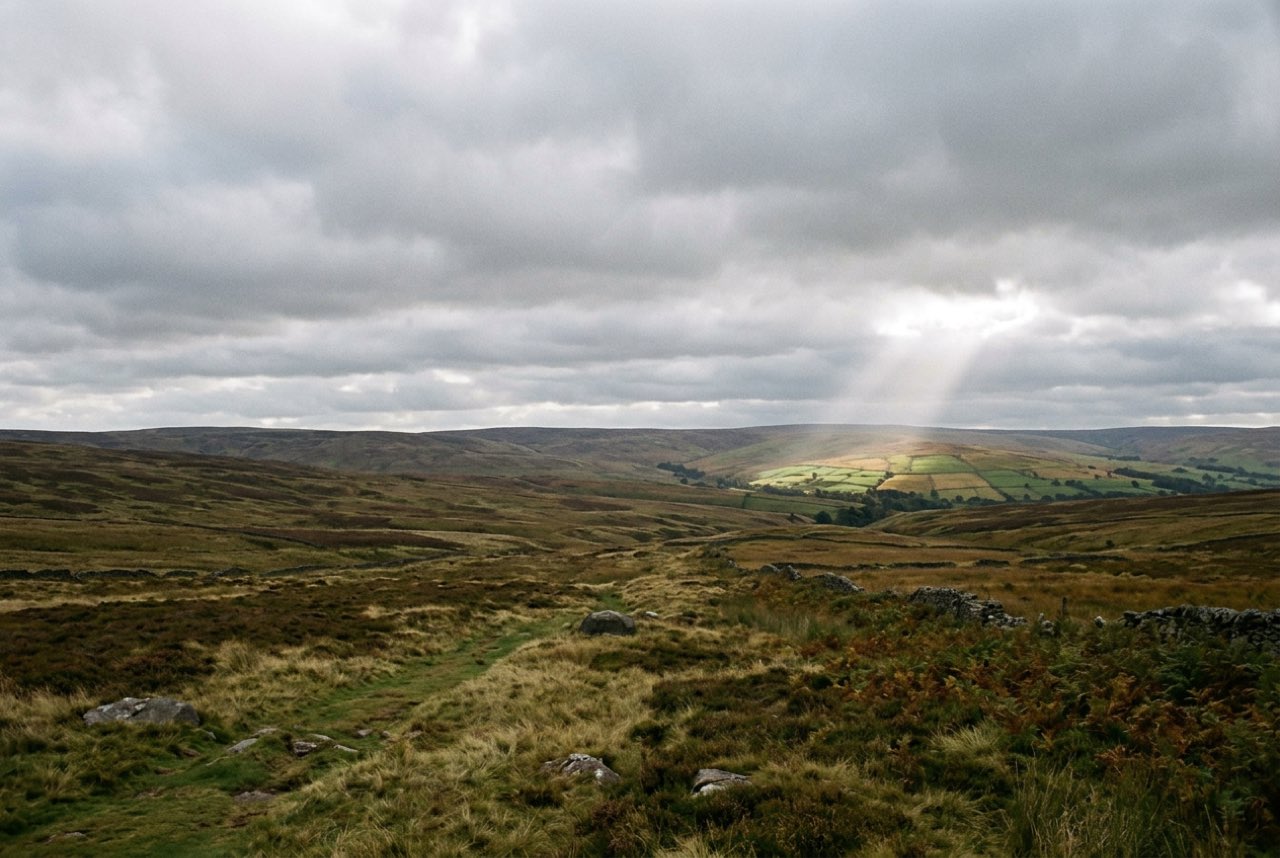
Reserve a Danube Delta trip on this date and what is held is six nights in April: two in a hotel on the Tulcea waterfront and four aboard a small vessel that ties up against the reeds every night. There is one departure, on 13 April. It does not run again later in the year, because the water section was booked against the fortnight when the migration is heaviest, and the company that operates the boat has one hull and one crew free in that window.
The delta is the last 1,600 square miles of the Danube before it reaches the sea, split into three arms. The northern one is the border with Ukraine. The middle one was straightened for shipping in the nineteenth century and is the one with mile markers standing on the bank. The southern one loops. Everything between them is reed, willow, shallow lake and sand strip, and the whole surface lies about a foot and a half above sea level.
Two of the nights are on land in Tulcea, a working port town of roughly seventy thousand people on the right bank, with a fish market on the quay and a hill of houses above it. Four are afloat. The vessel takes twelve passengers in six cabins, runs at about seven knots, and covers between thirteen and thirty five miles a day depending on where the birds have settled. The passage on the reserve channels is held by the operating company under its own Romanian licence, and the crew is theirs.
When it goes
One departure, 13 April
one fixed date: it runs once this year, and there is not another
What is reserved
A Danube Delta trip in April
Six nights, from $3,448 per person. Send a booking request
The figure on the card is per person with two sharing a cabin. It carries the road transfer from Bucharest, both hotel nights, all four nights on the water, every meal from the first dinner to the last breakfast, the reserve access charge and the guiding. Getting yourself to Romania is a separate matter and yours to sort out; no flight is arranged here for anybody.
The reservation holds one cabin with two lower beds for four nights, a twin room in Tulcea for two nights, two seats on the road transfer from Bucharest and back, and two places in the skiff at every outing, all on one file with the company that runs the boat.
The delta is flat in a way that is hard to picture until you are sitting on it: the average height of the land above the sea is about a foot and a half, and the highest ground anywhere in it is a sand dune on the Letea strip that reaches roughly forty feet. Villages on the middle arm are named for their distance from the mouth in nautical miles, so Mila 23 stands twenty three of them upstream, has about five hundred people and no road at all, and its shop restocks by boat twice a week. In the second week of April the daytime high in Tulcea runs near 63 degrees and the night on open water falls to about 43, with thirteen and a half hours between a sunrise at half past six and a sunset a little after eight. The reed was cut and carted out in January and February while the beds were frozen hard enough to carry a machine, so the new growth in April is knee high and a person sitting low can still see across a bed instead of into it. By the middle of June that same growth is over six feet and the same channel is two green walls. April is also the month the river runs highest, three to five feet above its August level, which floods the willow woods and lets a shallow boat go in between the trunks along routes that are dry ground in late summer. The marsh frogs start at dusk and are loud enough that most people close the cabin window.
Two nights in a three star hotel on the Tulcea waterfront, twin or double, breakfast on both mornings; four nights aboard a twelve passenger vessel in a cabin with two lower beds and its own shower, the company that operates the boat holding the passage on the reserve channels under its own Romanian licence and putting its own crew aboard; every meal from dinner on the first evening to breakfast on the last, with fish at two dinners out of six; road transfer from Bucharest to Tulcea and back, about four hours each way in a shared minibus; the biosphere reserve access charge for all six days; a resident guide aboard for the whole of the water section, with a spotting scope kept on the top deck; two skiff outings a day in the shallow channels, one before first light and one in the late afternoon, six people to a boat; two hours on foot on the Letea sand strip with a warden from the reserve; drinking water, coffee and tea aboard at any hour; luggage carried between the quay and the cabin.
The flight to Romania, which is your own arrangement, roughly $980 to $1,540 round trip from Kansas City in April with one change in Europe; lunch and dinner on the two Tulcea days, $12 to $28 a head; drinks aboard, $3 to $7 a glass for local beer or wine; a cabin to yourself instead of sharing, $480 to $520 for the four nights; tips to the crew and the guide, $60 to $90 per person across the week; laundry at the Tulcea hotel, $8 to $16 a load; an hour out in a Lipovan fisherman's own wooden boat at Mila 23, $18 to $26 per person; reed baskets, honey and carved spoons bought in the villages, $6 to $40; hire of a spotting scope of your own from the guide, $35 to $45 for the six days; the extra night in Bucharest that some people add at the end, $70 to $130 for a double room.
The boat is small and it moves under you all night, and there is no way off it between Tulcea and Tulcea apart from three short landings. Cabins run about ninety square feet, the shower stands over the toilet, and after ten at night the generator stops and there is no power and no light. The two outings that matter go at a quarter to six in the morning and half past four in the afternoon, which leaves five hours in the middle of the day with nothing to look at but reed, and anyone who needs a programme will find that stretch very long. Nothing here is steep, but sitting still in an open skiff at 43 degrees for two hours is its own kind of hard, and a person who cannot get from a low boat onto a wet wooden step without a hand should not book it.
The week the reed is still short
This is the largest compact reed bed in the world, something near six hundred square miles of it, and it is harvested in winter when the ground under it is frozen. What comes off in January and February does not stand at full height again until June. That leaves six or seven weeks in spring when a person sitting low in a boat can look across a bed rather than into the face of it, and the second week of April falls inside them.
The light matters as much as the reed. On 13 April the sun is up at about half past six and gone a little after eight, thirteen and a half hours, with two flat calm hours at each end when the water holds the sky. Daytime highs that week sit near 63 degrees and the nights on open water drop to about 43, so a fleece and something windproof do more work in the bag than anything else you pack. Rain falls on roughly eight days across the month and totals an inch and a half, usually in short afternoons that pass in under an hour.
About three hundred species pass through or breed here, and a careful week in April will put a hundred and twenty of them in front of you. The white pelicans are back from the last days of March, and by the middle of the month they work the shallow lakes in lines, twenty birds at a time driving fish into water they can reach. The nesting ground itself is closed to everyone, this office and its guests included, so what you watch is the crossing to and from it, twice a day, at a height where the scope on the top deck earns its place and a camera mostly does not.
Villages counted in miles from the sea
The settlements on the middle arm are named for how far they stand from the mouth. Mila 23 is twenty three nautical miles up, on an old bend that the shipping cut left behind, and there is no road to it: five hundred people, black wooden boats pulled under the willows, and a shop supplied twice a week by water. The families there are Lipovan, descended from Old Believers who came down out of Russia in the eighteenth century, and the older generation still speaks Russian at home. Crișan sits at mile thirteen and holds the reserve's information house. Sulina, at mile zero, is the only town in the country with no road to it at all; its cemetery holds Greek, English, Turkish, Russian and Italian graves from the decades when the river commission sat there, and the lighthouse those men kept now stands a hundred yards inland, because the mouth has pushed out that far since.
North of the middle arm the Letea strip is sand. The dunes reach about forty feet and strips of oak and ash grow in the damp troughs between them, which is the only real shade in the delta. It has been protected ground since 1938, the oldest such ground in Romania. Several hundred horses turned loose two generations ago live on the strip and feed themselves; they are not tame, they are not fed by anybody, and the warden will tell you where to stand.
You reach Bucharest under your own arrangement; the minibus leaves the airport at half past eleven and is at the Tulcea hotel about four hours later, dinner at seven.
Half a day in the skiff on the Somova lakes west of town, back for the quay market and a second night on land.
Aboard at nine, twenty eight miles down the middle arm, moored in a side channel by four, first outing that same afternoon.
Dark start at a quarter to six in the Șontea channel, then up the old bend to Mila 23 for an hour among the wooden boats.
The Letea sand strip on foot with a warden, two hours in soft ground, back aboard for a late run on the lakes.
Shallow water for the pelicans, engine off for long stretches, last night moored near Crișan.
Back up to Tulcea by noon, road to Bucharest, at the airport around half past five.
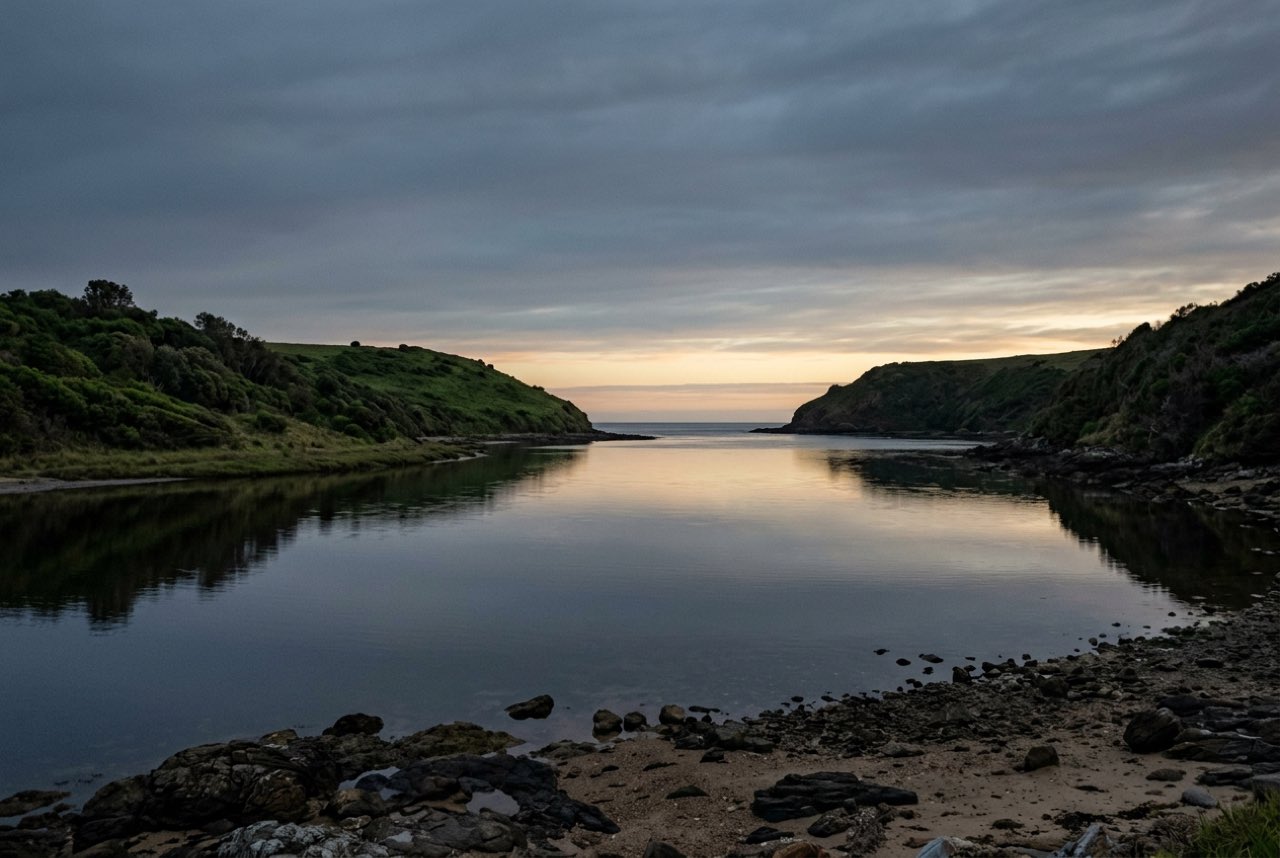
Four nights on the water
The cabins are small: about ninety square feet, two lower beds, a window that opens onto the reed, a basin and a shower in the corner. The generator runs until ten and then the boat goes dark and the frogs take the night over. Dinner is at seven and there is no second sitting. Fish comes up at two dinners out of six, usually carp or pike, and the soup on the first evening is made in an iron pot on the aft deck by a man who has been doing it for years and will not be hurried.
The real going is done from a five metre aluminium skiff with an outboard, six aboard, twice a day. The first leaves at a quarter to six in the dark so that you are already in position when the light arrives. The second goes at half past four and comes back after sunset. Between them sit five hours when almost nothing moves, and neither do you. Signal drops out completely along the Șontea channel and picks up again near Crișan, which some people count as part of what they came for and others do not.
Placing this reservation
Tell us who is sharing with whom, and whether you want the lower deck or the upper, and we ask the operating company to hold it. A written figure against your own dates, and against what is genuinely still open on that hull, comes back in two to four working days, because it is an answer from the people running the week rather than a number lifted off a shelf. Ask through the form at the foot of this page, by mail to bookings@thirdcoastdispatch.com, or by telephone on +1 (816) 525-2846.
Third Coast Dispatch is the name Third Coast Dispatch Bookings LLC works under. Nothing on this page belongs to us: not the hull, not the cabins, not the minibus, and there is no aircraft anywhere in it. The bill for the week reaches you from the company that runs the boat, on its own paperwork and in its own name, and no money changes hands at this office at any stage. This office is at 600 SW Jefferson St, Suite 302, Lee's Summit, MO 64063, in the Kansas City metro, and the company is registered in Missouri. If a figure or a date on this page is wrong, write to corrections@thirdcoastdispatch.com and it will be put right.
Ask the office to hold a departure
Open 24/7, this form will take a booking request whenever you write it. Nowhere on it is a card number requested and nothing is charged, because no money is ever owed to this office. Whatever reaches the form is opened in the order it landed, and an answer goes back inside one working day.
Nowhere on this page is a card number requested, and none is kept by this office anywhere. Writing costs you nothing and ties you to nothing. Asking is not the same as holding: your date belongs to whoever asks next until the operating company has confirmed it on paper and you have read what it requires of you.