sulphur steam off grey pumice, red ground cover at ankle height
Reserve a ten night Daisetsuzan walking trip in September
The reservation is a ten night Daisetsuzan walking trip in central Hokkaido, five nights at the hot spring settlement under Asahidake and five in the gorge town of Sounkyo, from $4,855 per person on two sharing. September is the one month when the red has come to the ground cover above 5,000 feet and the snow has not yet closed the tops. Four days walk with a mountain guide and six are yours.
10 nights, from $4,855 per person.
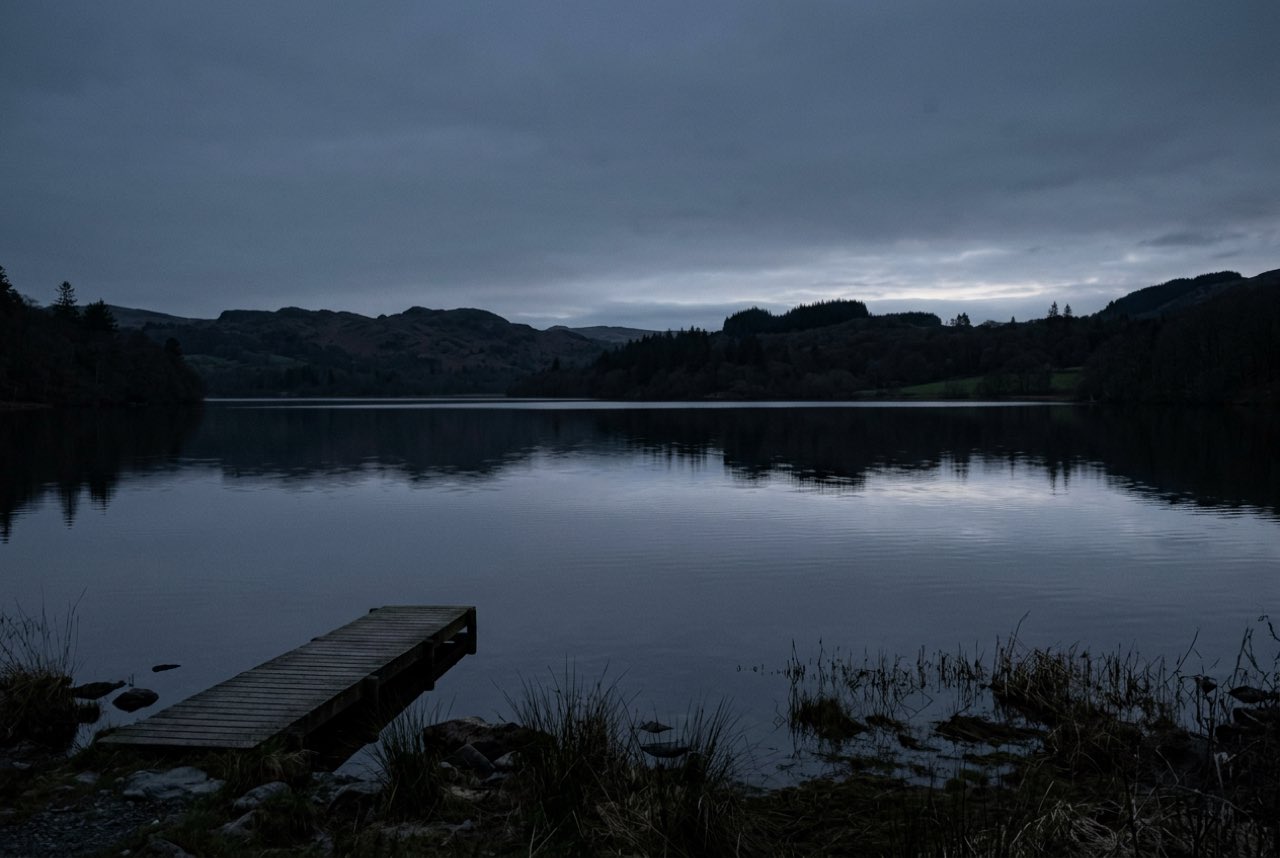
The reservation covers ten nights on the inland side of Hokkaido, five under Asahidake and five in the gorge at Sounkyo, with the rail and bus legs between them and four guided days on the hill. The figure is $4,855 per person on two sharing, and the flight is not in it. Six of the walking days are unguided because they do not need a guide: the trails start at the edge of both settlements and there is one way up each of them.
Daisetsuzan is 875 square miles of volcano, marsh plateau and dwarf pine with a single road across the middle, and that road is under snow from late October until June. The reason for September, and for no other month, is that the colour here runs about six weeks ahead of the rest of the country. Above 5,000 feet there are no trees to turn; the red comes from bearberry and dwarf birch spreading across open gravel at ankle height. It starts in the second week, holds eight or nine days, and is finished on the tops by the last days of the month, when the first snow usually arrives.
The two bases sit on opposite shoulders of the same massif, about 25 miles apart in a straight line and close to four hours apart on public transport, because you go back down the valley, along the local line to Kamikawa and up the gorge road again. That is day six, and your bag goes ahead by road while you carry a day pack. Anybody who has done it once understands why the walking here is worked from two bases and not from one.
When it goes
Weekly starts through September
any week in one month: weekly starts through the month, and no other month works
What is reserved
A ten night Daisetsuzan walking trip in September
10 nights, from $4,855 per person. Send a booking request
One room for two is reserved for five nights under Asahidake and five in the gorge, with seats held on both long rail legs, the mountain buses at each end, bag forwarding on the transfer day and four guided walking days; nothing else moves.
The park covers 875 square miles of volcano, marsh plateau and dwarf pine, and the single road across the middle of it is shut under snow from late October until June. Asahidake, at 7,516 feet, is the high point of the island, and the cable car takes the first 1,650 feet off the climb by lifting you from 3,600 feet to 5,250 in ten minutes. Above the top station the trail crosses a shelf of grey pumice with steam coming out of the ground in a dozen places, and the sulphur reaches you a couple of hundred yards before the vents do. The colour on that shelf is not tree colour: it is ankle high bearberry and dwarf birch turning red across open gravel, so you look down at it rather than up. Daylight in the second week of September runs from about 5:10 in the morning to 5:55 in the evening and shortens by two minutes a day, which is why the guided parties leave at seven. Snow has reached the summit before the end of September in most recent years, and the cable car stops for wind at any point in the month.
Ten nights in two hot spring houses, five and five, in a Japanese room for two with its own toilet and washbasin; breakfast and dinner every night at both houses, served at a set hour; reserved seats on the limited express between the airport city and Asahikawa inbound and outbound; the mountain bus to the north base, the local line and gorge bus on the transfer day, and the bus back out at the end; cable car and chairlift fares on the four guided days; four days with an English speaking mountain guide, eight walkers at most; the plateau maintenance fee collected at the trailhead; bag forwarding between the two houses so you walk on transfer day with a day pack; the loan of a bear bell and a 1:25,000 sheet map of the massif; and a written schedule with every bus departure printed on it.
The flight to Japan, which from the middle of the United States runs $1,150 to $1,900 round trip in September; travel to and from your home airport ($40 to $180); lunch on the hill, bought as rice balls and hot tea from the settlement shop ($7 to $14 a day); a meal away from the house on either transfer night ($14 to $30); any cable car or chairlift ride taken on the six unguided days ($16 to $30 a ride); coin laundry at both houses ($4 to $7 a load); boot and shell jacket hire if you would rather not carry your own ($55 to $90 for the trip); a taxi down the gorge if you miss the last bus, which goes at 5:20 in the afternoon ($60 to $110); drinks, the sake counter and the vending machines in the corridor ($10 to $25 a day); and any night added at either end ($95 to $240 a night for two).
Each guided day carries 1,500 to 2,300 feet of climbing on loose volcanic grit and wet rock steps, five to seven hours on your feet, and there is no short way back once the cable car has put you at 5,250 feet. If two hours of downhill on an uneven surface finishes a knee, the middle of this trip will be a bad week. Nights fall to 37 degrees at the top station in late September and the wind on the caldera rim has nothing to stop it for eleven miles. Both towns are small, the shops shut around six, there is one bar between them, and the evening is a bath, a meal at a fixed hour and a long sleep.
The plateau above Asahidake
The cable car lifts you from 3,600 feet to 5,250 in ten minutes. From the top station a boardwalk loop of just over a mile runs around a pond that holds the mountain upside down on a still morning, and past it the ground turns to grey pumice with steam venting out of it. You smell the sulphur two hundred yards before you see where it is coming from. The summit is another 2,270 feet up over a mile and a half of loose volcanic grit that slides back under the boot, which is two and a half hours up and an hour and a half down for most people. In the colour fortnight the first car goes at six and there is a line for it by half past five.
Weather on that shelf changes faster than the timetable does. The base town sat at 63 degrees at midday in the middle of last September while the top station read 46 and the ridge was in cloud with a 25 mile an hour wind across it. Guides turn parties round at the pumice field several times a month, and the cable car itself stops for wind without much warning, which is one reason the ten nights are built with six days that do not depend on it.
On the unguided days the walking is obvious. From the north base there is the pond loop, a marsh boardwalk at Numanotaira reached by an hour of forest track, and a valley path along a stream past three small falls to a dead end at 4,300 feet. From the gorge there is a paved path running four miles down the canyon, a foot bath open to the road, and the two waterfall viewpoints. The guide walks through each of them with you the evening before, on paper, with the bus times written out.
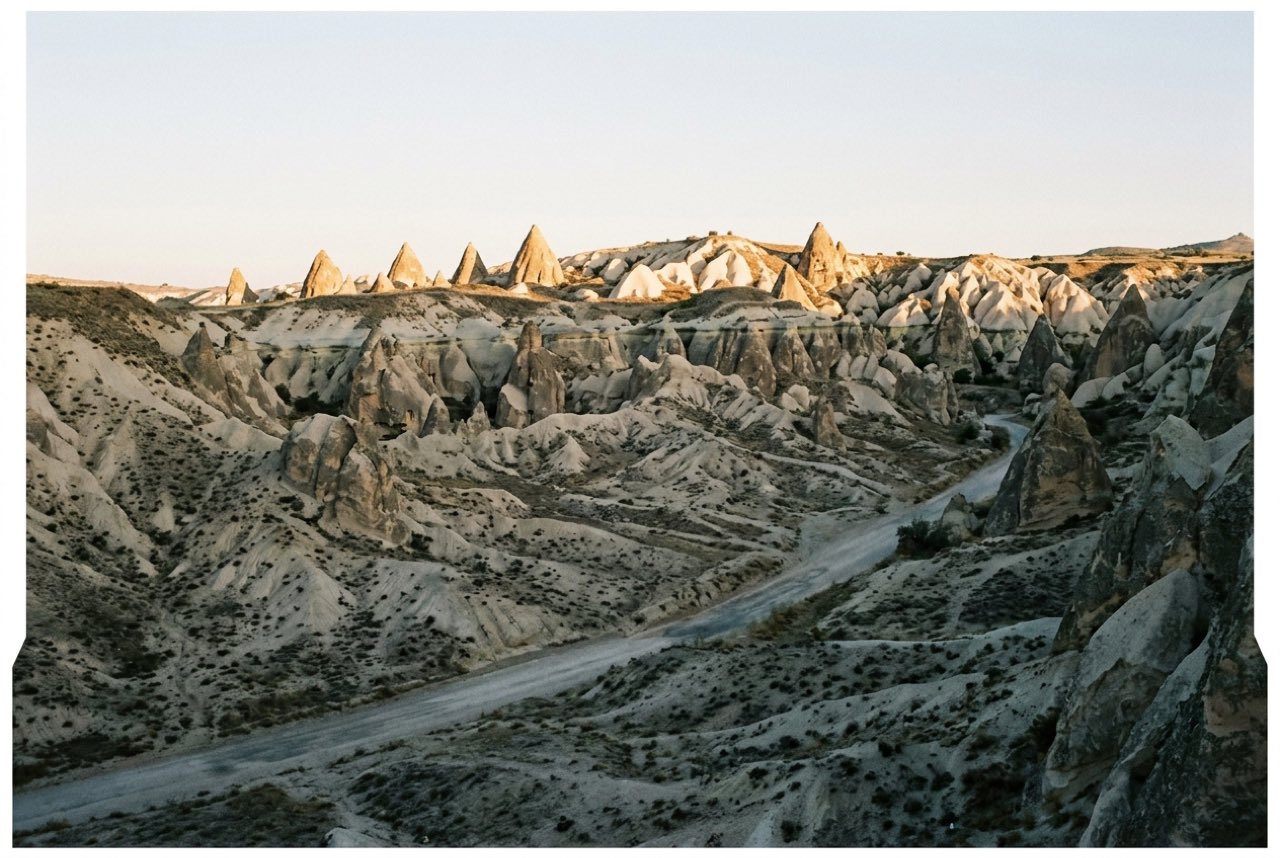
Sounkyo, and the ridge over the gorge
Sounkyo is two streets at the bottom of a 15 mile canyon whose walls are columnar basalt standing 300 feet straight up, close enough on both sides that the sun is on the road for about four hours a day in late September. Two waterfalls, Ginga and Ryusei, come off the rim within a quarter mile of each other, and the viewpoint between them is forty minutes on foot from the houses. The mountain above the town is Kurodake, 6,509 feet. A cable car and then a two seat chairlift put you at just under 5,000, and from there the trail is a mile of rock steps and tree roots, 1,500 feet of climb, ninety minutes if you are steady on steep ground.
From the top of Kurodake the ground opens out into Ohachidaira, the rim of a caldera a mile and a quarter across, and one of the guided days goes round part of it: seven hours, no shelter, no water on the route, and a headland at the far end from which you can see the summit you climbed from the other base four days earlier. That is the day people remember, and it is the day that decides whether these ten nights suit you or not.
Snow lies in the gullies above 5,000 feet into the third week and the boardwalk is under it in places
Flowers on the plateau, and several hundred people a day on the trail out of the top station
Warm and wet, 77 degrees in the valley, cloud on the summit most afternoons, mosquitoes thick on the marsh boardwalks
Green with the first red patches on the exposed gravel; 63 degrees at the base, 46 at the top station
The ground cover turns and holds it; this is the fortnight the whole month is arranged around
Colour drops to the larch below the cable car and the summit has usually taken its first snow
The gorge turns while the plateau goes brown, and the mountain buses fall back to a reduced timetable
The road across the park closes for the winter and the huts on the caldera rim shut
Nothing walks here; the trailhead at the north base is a ski car park
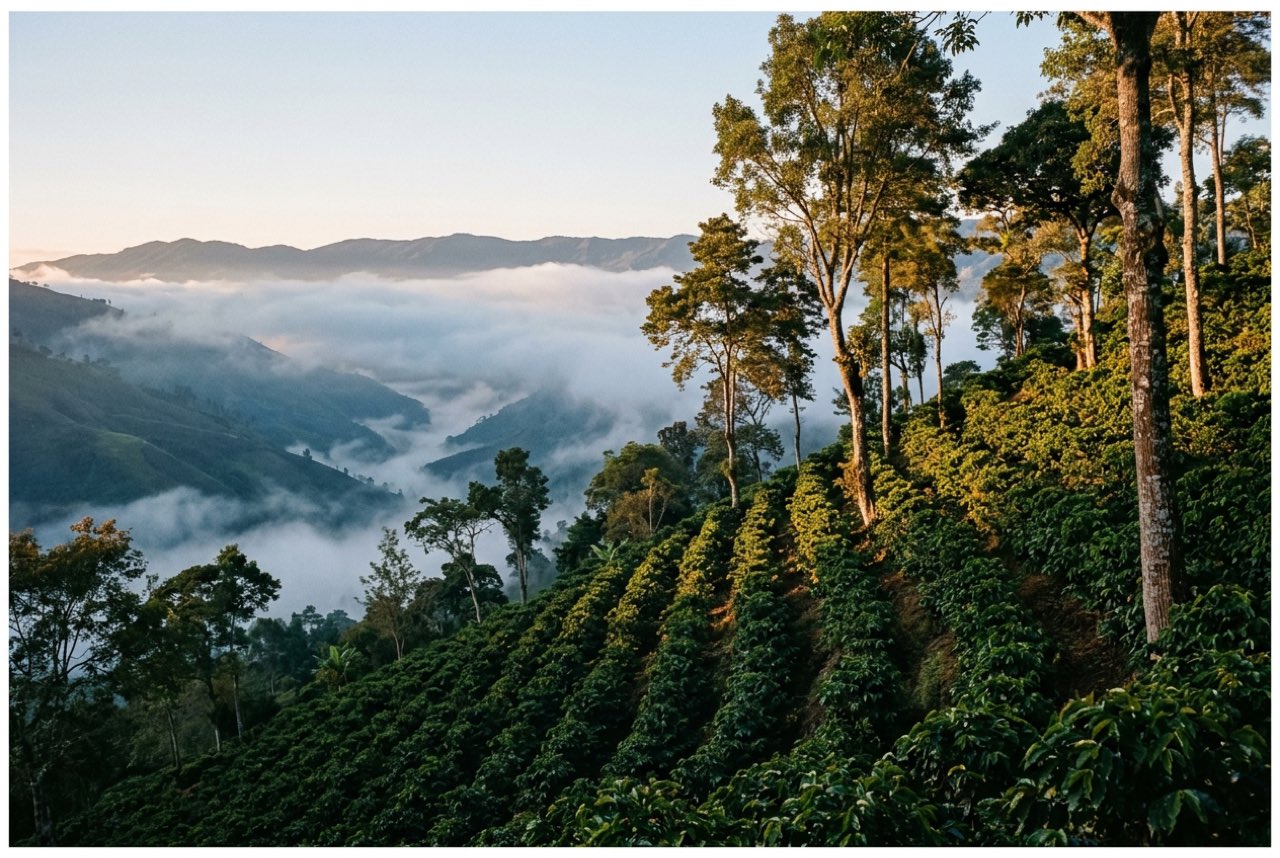
The water, the houses and the hour dinner is served
The two houses do not run the same water. The north base is acidic sulphur water that arrives at about 140 degrees and is cooled before it reaches the bath; it is cloudy, it smells of eggs, and it will dull a silver ring in one soak. The gorge water is clear, alkaline and soft on the skin. Both have indoor and outdoor baths, both open at five in the morning and close at eleven at night, and both are separated by sex with nothing worn in the water. Dinner is at half past six at one house and seven at the other, set menu, no ordering, and if you are still on the hill at that hour you have missed it. Breakfast is rice, grilled fish, egg and soup from half past six. Neither house admits guests with visible tattoos to the shared baths, which is worth knowing before you reserve.
Nobody tips in Japan and none of this is built around it. Buses take coins and a stored value card. There are no vending machines above the top station, so lunch is carried, and the shop at the north base shuts at six and stays closed one weekday in September, usually Wednesday. The third Monday of the month is a national holiday and the cable car line is longer that week; the walking is the same.
Getting to the mountain, and moving between the two towns
The way in and out is plain and it is in the price. The limited express from the airport city to Asahikawa covers 85 miles in an hour and thirty five minutes and runs about twice an hour; the mountain bus from Asahikawa station to the north base takes an hour and a half and goes four times a day in September, the last at 5:40 in the afternoon. Seats are held for you on both rail legs, because the unreserved cars are standing room on Friday afternoons. On the gorge side, the bus from Kamikawa station up to Sounkyo is thirty minutes and meets the local trains.
Send the week you want and Third Coast Dispatch puts it to the company that runs the guided days and holds the rooms in both houses. A quote built against the exact dates you named comes back inside two to four working days in September, because the guide and the reserved seats are confirmed before any figure is written down. Nothing on this page belongs to Third Coast Dispatch Bookings LLC: not a room, not a bus seat, not the chairlift, not a foot of trail. The operating company writes the confirmation on its own account and bills you direct, no money changes hands at this office, and no air ticket is sold here, so the long leg from the middle of the country stays yours to arrange on the dates that suit you.
Booking requests and dates go to bookings@thirdcoastdispatch.com, or by telephone to +1 (816) 525-2846. The office is at 600 SW Jefferson St, Suite 302, Lee's Summit, MO 64063, and it takes requests from across the Kansas City metro; Third Coast Dispatch Bookings LLC is a limited liability company registered in Missouri. September bus times and cable car hours are reset every year, so if a number on this page has gone stale, write to corrections@thirdcoastdispatch.com and it will be corrected.
Ask the office to hold a departure
Open 24/7, this form will take a booking request whenever you write it. Nowhere on it is a card number requested and nothing is charged, because no money is ever owed to this office. Whatever reaches the form is opened in the order it landed, and an answer goes back inside one working day.
Nowhere on this page is a card number requested, and none is kept by this office anywhere. Writing costs you nothing and ties you to nothing. Asking is not the same as holding: your date belongs to whoever asks next until the operating company has confirmed it on paper and you have read what it requires of you.