cut hay on wooden racks, cold river water, towers at dusk
Reserve a nine night walking trip in Upper Svaneti
Nine nights in Upper Svaneti, six of them walking from Mestia south to Ushguli and back around under Ushba, sleeping in seven family houses, from $2,744 per person on two sharing. August is the month the families are out cutting hay with scythes and the kitchens are working late, which is a different valley from the one you get in June. The towers are the reason people come and the reason they stay two nights in Ushguli instead of one.
9 nights, from $2,744 per person. Two sharing.
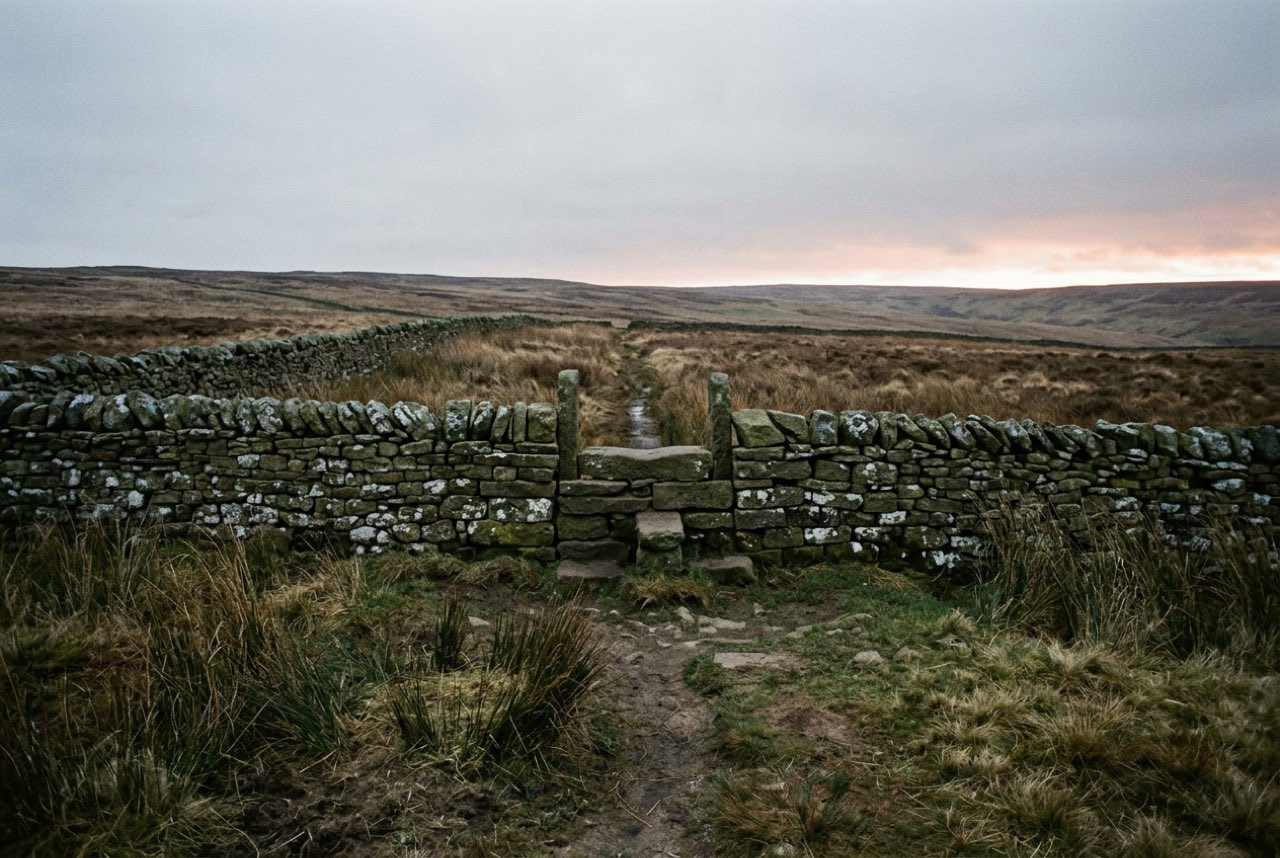
Reserve a nine night walking trip in Upper Svaneti and what you hold is a bed in seven separate houses, a horse for your bag on the days nothing with wheels can follow, and a guide who speaks Svan at home and Georgian to everybody else. Six of the days are spent on foot, from Mestia south to Ushguli and then back around under the west face of Ushba. Getting yourself to Georgia is your own arrangement, and this office arranges no air travel of any kind.
Upper Svaneti is the top of one long valley that ends against the main Caucasus ridge. The road in climbs eighty five miles from the lowland railhead and takes three and a half hours when nothing has come down on it overnight. Mestia, where the first two nights are, stands at 4,600 feet. Ushguli, where the seventh and eighth are, stands at 6,900 feet and lies twenty eight miles further on, up a road that stops being paved past Ipari and takes two hours in a high vehicle. You will not see that road until the walking is finished.
Starts fall inside one named week in August rather than on a single fixed morning, because the operating company runs these same nine nights on several days of that week and turns the Adishi rooms over in rotation. Tell this office which start suits you, or give it the two days you can be in the country at either end, and a written figure against those exact dates takes two to four working days to come back.
When it goes
Several starts inside the week of 10 August
a week of dates: several starts inside one named week
What is reserved
A nine night walking trip in Upper Svaneti
9 nights, from $2,744 per person. Two sharing. Send a booking request
There are no keys behind this office. Not to a room in Mestia, not to a seat in the van that grinds up from the lowlands, not to the horse that carries your bag over Chkhutnieri. This office owns no aircraft, no beds, no vessel and no vehicle. It takes the request, places the reservation with the company that actually runs the walk, and stays out of the money completely: that company invoices you itself, on its own paperwork, and nothing at all is paid here.
The reservation holds one twin or double room for nine nights across seven houses, a Svan speaking guide on foot for six days, one pack horse per two walkers on the section with no through road, and the two long road transfers at either end.
Roughly two hundred stone towers are still standing in the four hamlets that make up Ushguli, and more run down the valley through Ipari, Kala and Mulakhi. They stand sixty five to eighty feet, four or five floors, walls tapering as they rise so each one measures shorter than it looks, and most were put up between the ninth and thirteenth centuries. What surprises people is that a tower is not a separate building; it grows out of the corner of the family house, and the ground floor of that house was one dark room with a hearth where the family and the cattle wintered behind the same door. Several of those rooms survive with their carved chairs and sooted beams, three steps down from the kitchen where your dinner gets cooked. Ushguli sits at 6,900 feet and Shkhara closes the head of the valley at 17,040 feet, about six miles up the glacier from the last house. The Svan language is spoken in every one of these kitchens and written down by almost nobody.
nine nights of half board in family houses, twin or double, at Mestia, Zhabeshi, Adishi, Iprari, Ushguli and Mazeri; dinner at the family table at the hour the house serves it, usually seven; breakfast every morning and a packed lunch on each of the six walking days; a Svan speaking mountain guide on foot for all six walking days; one pack horse per two walkers between Zhabeshi and Ushguli, carrying up to thirty three pounds each; the road transfer from the lowland railhead up to Mestia, eighty five miles, and the same journey back; the transfer from Ushguli down to Mestia over the unpaved section in a high vehicle; the out and back walk toward the Shkhara glacier with the same guide; a printed route sheet giving each day in miles, feet of climb and water points; and the operating company's own emergency plan, including the satellite messenger the guide carries.
the flight to Georgia, which is your own arrangement and which this office does not book, $1,150 to $1,900 round trip from Kansas City in August; the horse crossing of the Adishchala below the glacier, paid to the family on the bank on the day, $8 to $15 a person; lunch on the two days that are not walking days, $6 to $12; anything you drink at dinner, $2 to $5 a glass of the house wine; the museum in Mestia, about $6; laundry done at a guesthouse, $5 to $9 a load; tips for the guide and the horsemen, $60 to $110 across the nine nights; an extra night at either end of the walk, $45 to $80 a room; a private vehicle if you arrive outside the group transfer, $90 to $160 each way; and boots, poles and a waterproof, which are yours.
Two of the days climb more than 2,300 feet and one of them finishes with a long descent on loose schist that takes an hour longer than the profile suggests, so if your knees are already an argument they will be a louder one by Iprari. Guest rooms sit on the second and third floors of wooden houses, up steep stairs with a rope for a handrail, and no house on this route has an elevator. Past Mestia there is no cash machine and no pharmacy, and on the Adishi night the phone signal is one bar in one corner of the yard. If you need a room to yourself, a shower at a predictable hour and a door that locks, say so before you ask this office to hold this one, because two of the seven houses cannot manage all three.
Towers built into the houses, not beside them
The first thing to understand about a Svan tower is that it is part of somebody's home. It rises out of the corner of the family house, four or five floors of tapering stone, and the doorway between the two is often a hole in a wall three feet thick. The ground floor of the house held people and cattle in one room around an open hearth through the winter, with carved wooden seating built against the walls in a fixed order by seniority. Plenty of those rooms are still intact and still cold in August, three steps down from a kitchen where somebody is folding meat into bread.
In Ushguli the towers stand close enough together that from the lane you lose the sky between them. Chazhashi, the oldest of the four hamlets, is protected and partly uninhabited; the other three are working villages where a tractor comes past the towers with a load of hay at eight in the evening. Nobody here presents any of this. There is no ticket office and no marked route through the stones, and the cows walk down the middle of everything at dusk whether or not you have moved.
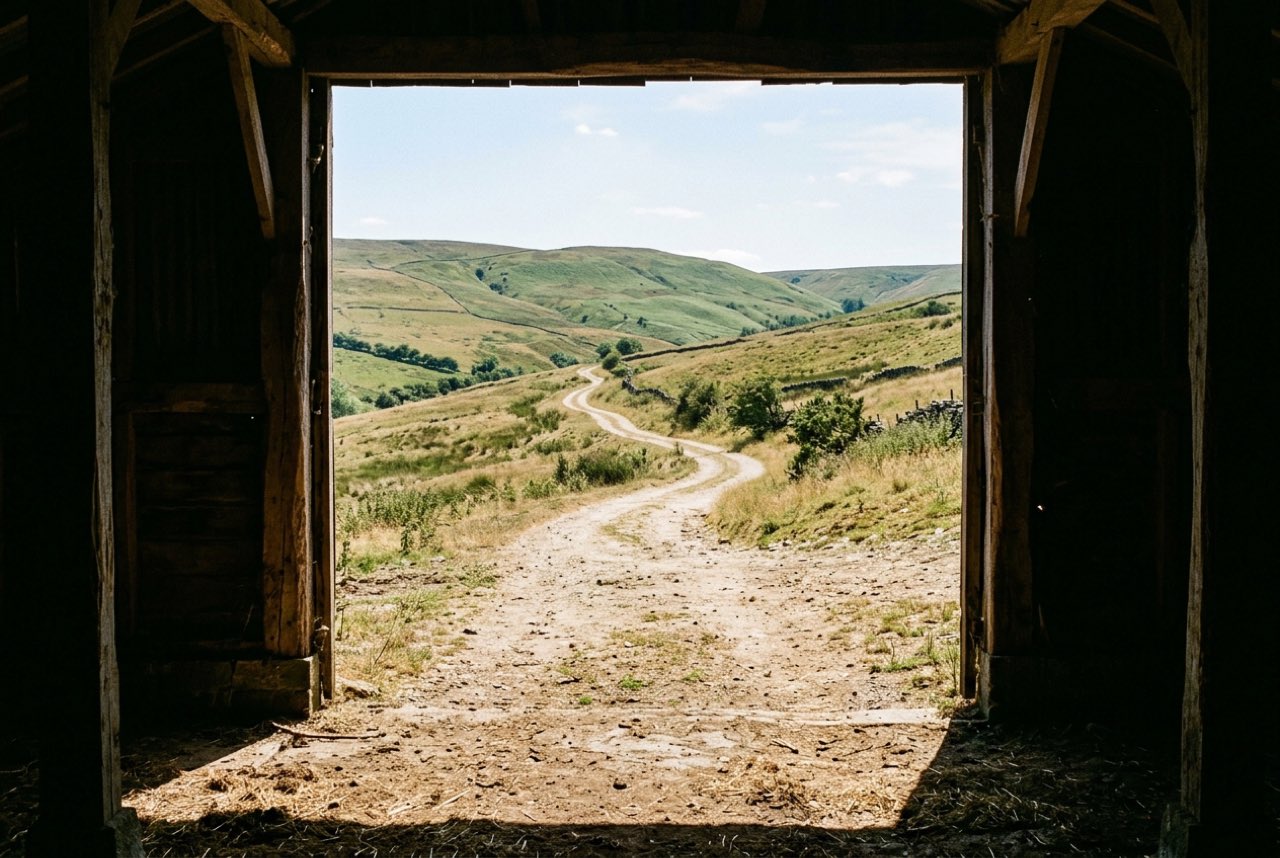
Six days on foot from Mestia to Ushguli
The first day is eleven miles along the flank above the Mulakhi valley to Zhabeshi at 5,400 feet, most of it gentle, two hours of it on a track shared with nothing but cattle. The second turns uphill through birch and pine, 2,300 feet of climb to a ridge at 7,700 feet, and drops into Adishi: twelve houses at 6,700 feet, a tower at the end of most gardens, and a graveyard on the slope above with the dead facing the glacier.
Between Zhabeshi and Iprari there is no through road for two days. A jeep can force the streambed as far as Adishi when it is dry, and that track ends there. Over Chkhutnieri Pass, at 8,900 feet, nothing moves but people and horses, which is why your bag goes ahead on one.
The third day begins with four miles up the Adishchala to the snout of the glacier, and then the river. It is meltwater, thirty nine to forty three degrees, milky with rock flour, and split into channels that move week to week. Two families in Adishi keep horses at the bank and take walkers across one at a time for cash paid on the spot. Cross before eleven in the morning. By four in the afternoon the same channels are carrying half again as much water because the sun has been on the ice all day, and the horsemen stop working. From the far bank it is 2,300 feet to the pass, then a long drop on loose schist into Iprari at 6,200 feet, and that descent runs about an hour past what the numbers promise.
Day four is short, six miles into Ushguli, in by early afternoon with time to walk the lanes before the herds come down them. Day five stays put: five miles each way toward the Shkhara glacier with 1,150 feet of climb, roughly five hours, back for a late lunch if the cloud holds off. The sixth walking day is on the far side of Mestia, under Ushba, whose twin heads reach 15,450 feet and are hidden more days than not; you sleep that night in Mazeri and return to Mestia the next morning.
The year in the valley, and why the week sits in August
Green to about 6,000 feet and white above it; the passes are shut and the ford below Adishi is unusable most afternoons.
Snow off Chkhutnieri in the first ten days most years. Flowers everywhere, mud on every track, rivers at their fullest.
Walking is open all month. Hay cutting starts in the last week, houses fill up, and the gathering at Kala falls on the twenty eighth.
Around 73 degrees by day in Mestia, 64 in Ushguli, 43 at night. Storms build after two in the afternoon perhaps one day in three. Light from quarter past six until half past eight.
The steadiest air of the season and the sharpest views, colder after dark, houses emptying from the middle of the month.
Birch and larch turn in the first fortnight and are stripped bare by the end of it; snow on the pass is real from the tenth.
The road above Mestia opens and shuts with the weather, Ushguli can be cut off for weeks, and this walk does not run.
August is chosen for the working valley rather than for the weather, which September does better. Through August the families are cutting meadows by hand and stacking the hay on wooden racks, and they keep at it until the light goes, which means around half past eight. The houses that take walkers are the same houses doing that work, so dinner lands late and everybody at the table has been outside all day. There is one cost to the month: afternoon thunder is common enough that the guide will want you over the pass by early afternoon, and on the Adishchala day that means leaving at six.
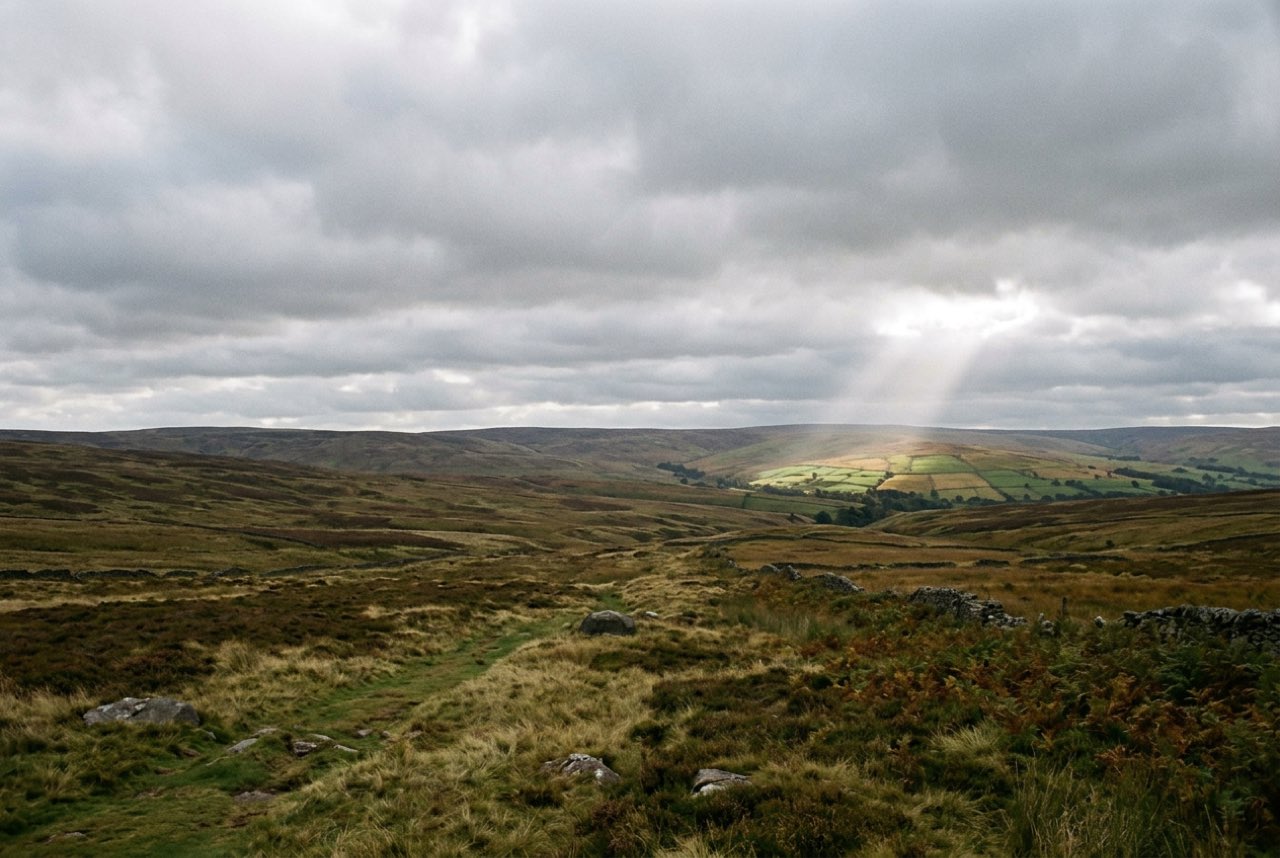
Nine nights held in seven houses
The reservation is one twin or double room in each of seven houses, held on your two names against a specific start inside that week. It is not a voucher and it is not a package number. If the operating company cannot hold the Adishi house on the day you want, this office tells you that in the same message it tells you the figure, and offers the start either side of it. Nothing goes out under your name until you have said yes to a written price and a written route.
Payment is not taken at this end in any form. When the reservation is confirmed, the operating company sends its own invoice directly to you and collects from you directly, and the office here never sees the transaction. Third Coast Dispatch Bookings LLC does business under the name Third Coast Dispatch and works with travelers in Kansas City and the rest of Missouri.
This office is at 600 SW Jefferson St, Suite 302 in Lee's Summit, MO 64063, and the telephone is +1 (816) 525-2846. Written requests are the better route for something with this many moving parts, and they go to bookings@thirdcoastdispatch.com. Numbers in a valley like this one do move, so if something on this page has stopped being true, write to corrections@thirdcoastdispatch.com and it gets corrected rather than defended.
Put a departure in front of the office
Open 24/7, this form will take a booking request whenever you write it. Nowhere on it is a card number requested and nothing is charged, because no money is ever owed to this office. Whatever reaches the form is opened in the order it landed, and an answer goes back inside one working day.
Nowhere on this page is a card number requested, and none is kept by this office anywhere. Writing costs you nothing and ties you to nothing. Asking is not the same as holding: your date belongs to whoever asks next until the operating company has confirmed it on paper and you have read what it requires of you.