wooden crates of apricots on a trestle table, stone walls above
Reserve a Wachau vacation package, six nights in July
Six nights in the Wachau in July, three in Spitz and three in Weissenkirchen, with a bicycle for four of the days and two mornings inside an apricot orchard during picking, from $2,670 per person on two sharing. The valley picks its apricots by hand in the second half of the month, tree by tree and three or four times over, and those ten days are the only stretch when a visitor can stand in the middle of it. The rest of the week is flat riding on a paved path beside the water with the terraces going up above you.
Six nights, from $2,670 per person.
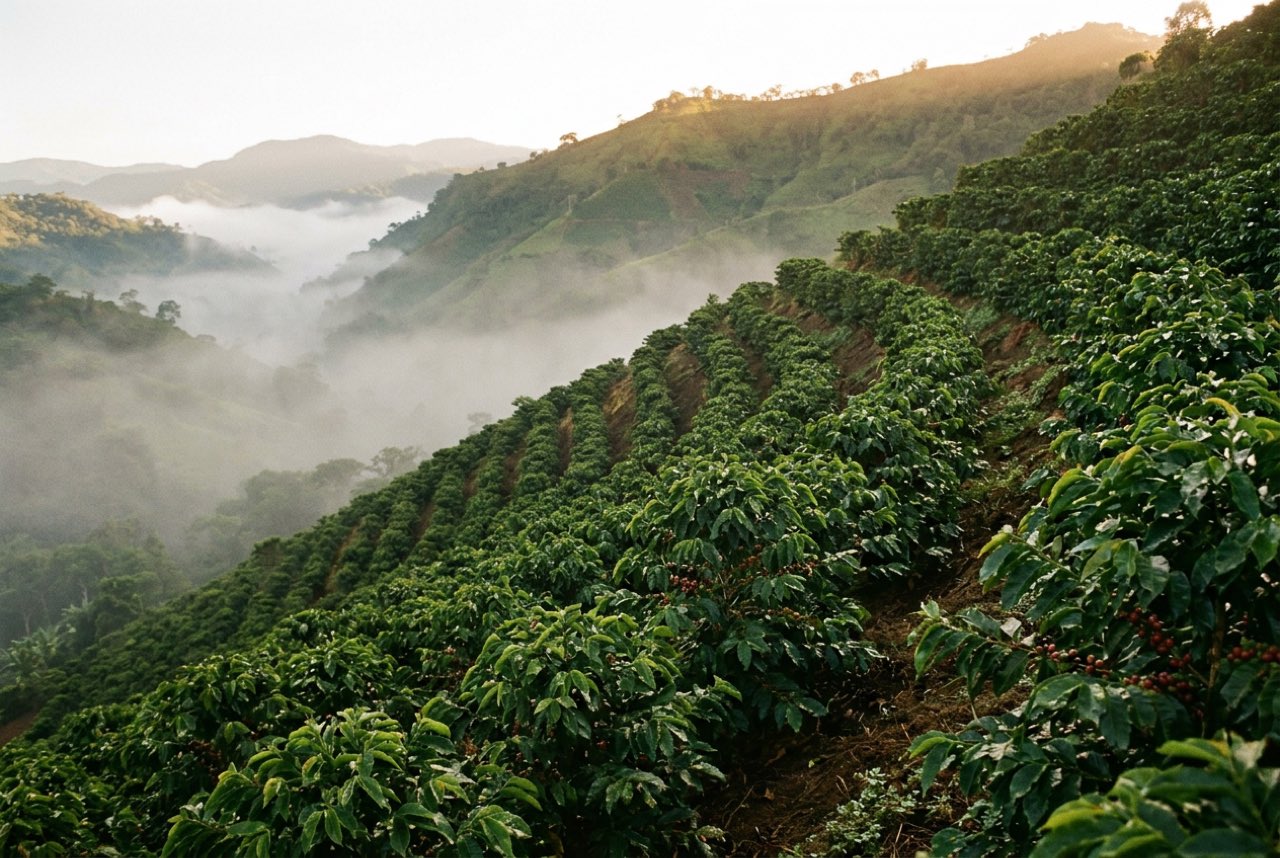
Reserve a Wachau vacation package and what you are holding is six nights in July in two villages on the same bend of the Danube in Lower Austria, three nights in each, a hired bicycle for four of the days, and two mornings standing in an apricot orchard while the fruit is coming off the trees. The figure is $2,670 per person on two sharing. Everything below is what that week is actually like.
The apricots decide the date. About a hundred thousand trees stand in this valley, and the fruit ripens a few at a time through the second half of the month, so a grower walks the same block three or four times over ten days and takes only what has gone soft at the stem. That is why the picking is done by hand at six in the morning, and why nobody here will tell you in April which exact week it will fall.
Two bases, three nights each, means you unpack twice in six days and the bags go across once in a van. You ride out and back from each village on a paved path that never leaves the water, and on two of the days you cross the river on the local roll on ferry and come home along the other bank.
When it goes
Four starts inside the week of 12 July
a week of dates: several starts inside one named week
The reservation holds one room for two people for three nights in a six room guesthouse in the first village and three nights in a four star hotel on the square in the second, a bicycle each for four of the six days, two half days with a growing family, a van that moves the bags across once, and the two river crossings the riding depends on.
The Wachau is twenty two miles of the Danube between Melk and Krems, and it is the one stretch where the river cuts through rock instead of farmland, so the flat ground at Spitz is a few hundred yards wide and the vineyard terraces climb straight off it to about eight hundred feet above the water. Those terraces are held by dry stone walls built without mortar, four to nine feet high, each one keeping a strip of soil eight or ten feet deep from going downhill; a waller repairing one takes out about a square yard at a time and rebuilds it the same afternoon. Apricots do not grow on the terraces at all. They stand on the flatter fans of loess at the foot of the slopes, roughly a hundred thousand trees across the valley, most of them in blocks of two or three hundred behind the houses. The fruit is small, ripens unevenly through the second half of July and will not survive a long journey, which is why it is sold from a table at the roadside in five kilo wooden crates instead of being shipped anywhere. The river runs past the villages at about four miles an hour in July and sits near sixty eight degrees, and people swim off the gravel on the inside of the bends.
Six nights in two villages, three nights in each, on two sharing; breakfast every morning in both houses; dinner on four of the six evenings, cooked from whatever the kitchen bought that day; a hired seven speed bicycle with a pannier and a lock for four days; two half days with a growing family, one in the orchard during picking and one on the terrace walls above the village; the roll on river crossings the itinerary uses, which the company running the week holds under its own licence and bills on its own contract; luggage moved once between the two villages by van; a printed strip map of both bank paths with that week's ferry hours marked on it; the train from Vienna to Krems on arrival day and the return on departure day; a number in the valley that answers in English between seven in the morning and nine at night.
The flight to Austria, which is the traveller's own arrangement and runs about $1,050 to $1,600 round trip from the middle of the United States in July; lunch, $12 to $28 a head at a village counter; dinner on the two free evenings, $30 to $60; wine at the tavern or the cellar door, $4 to $9 a glass and $12 to $30 a bottle; an electric bicycle in place of the seven speed, about $95 for the four days; a room to yourself instead of two sharing, $410 for the six nights; whatever you eat at the apricot fair in the square, $6 to $20, walking in is free; the small museum in the old cloister, $6 to $9; a taxi when a thunderstorm ends a ride early, $25 to $70 depending on which bank you are on; travel insurance of any kind, not sold here and not something this office will comment on; tips, which nobody asks for, $3 to $10.
The two orchard mornings begin at six, in a field, and the second one runs to eleven with no shade after nine. The walk through the terraces climbs about seven hundred feet in a mile and a half on loose stone steps of uneven height with a drop on one side, and there is no short way back once you have started up. Afternoons in the second half of July sit between 84 and 90 degrees on the paved path, which has no tree cover between the villages, and the storms build behind the ridge with about twenty minutes of warning. If a village where the last kitchen stops serving at half past nine sounds like a long evening, it will be one.
What a picking morning is
Pickers start at six because the fruit bruises once it is warm, and because by ten the fans of ground at the foot of the slopes are at eighty degrees with nothing standing over them. You get a canvas apron with a pocket across the front and a five step ladder. The whole test is the stem: if the fruit comes away with a twist and no pull it is ready, and if you have to pull it you leave it for the next pass three days later. A practised picker fills a five kilo crate in about eight minutes and will fill sixty of them before eleven.
Nothing is sorted in the field. It all goes to a trestle table in the courtyard, where somebody's grandmother divides it into what sells whole at the roadside that afternoon, what goes into jam by evening, and what goes into a mash for the still, and the third pile is always the largest. You will be out on two mornings, both with the family that farms the block, and both finish by half past ten with breakfast under the walnut tree. Nobody expects you to be useful. The second morning goes better because by then you know what a ripe one feels like in the hand.
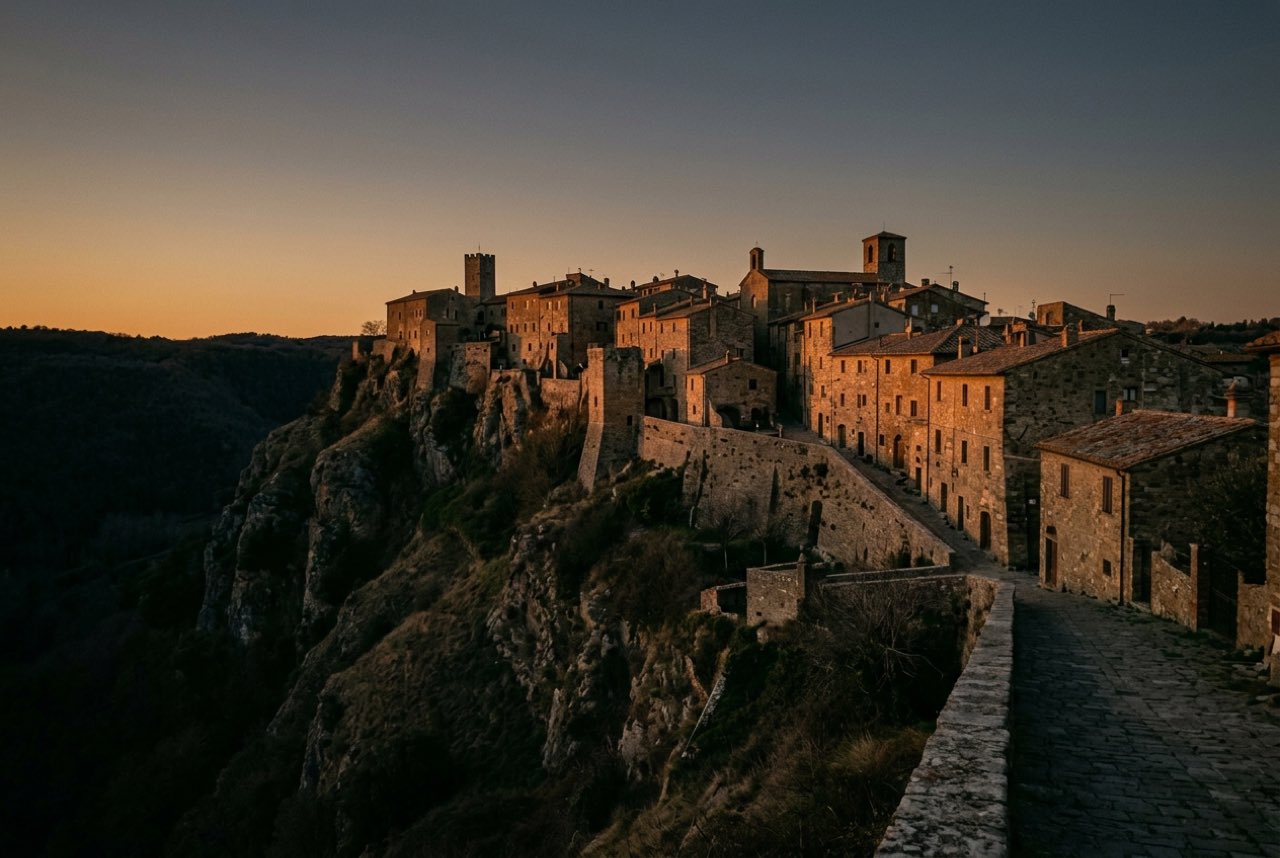
The path along the water
The valley runs twenty two miles from Melk to Krems and the river loses so little height across it that the cycle path has no gradient worth the name; a full day out and back adds up to about a hundred and fifty feet of climb, and the only real work is the wind, which comes upriver from the east most afternoons. The surface is asphalt the whole distance. The left bank threads through the villages and their traffic, and the right bank has a nine mile stretch with no houses on it at all, which is where most people ride once they have worked out the ferry.
The crossings are made on a flat ferry that hangs off a cable and uses the current instead of an engine, so it swings out into the stream and comes in sideways, four minutes bank to bank. It works from about eight in the morning until six in the evening, and it stops when the river comes up, which happens two or three times a summer after a storm upstream and lasts a day. The company that operates the week holds those crossings under its own licence and puts them on its own bill; this office reserves them along with everything else and never handles the money.
Blossom, and the one hazard that decides the year: an hour at 28 degrees strips the crop, and in some years it has
Fruit set, vine shoots tied in, the path quiet and the water still at 57 degrees
Green fruit the size of a thumbnail, light until nine, evening storms beginning to build behind the ridge
The earliest trees on the warmest fans turn colour, one pass only, very small volumes
Full picking, six in the morning until eleven, crates on every roadside table, apricot dumplings on every menu in the valley
A two day fair in one village square, the tail of the crop, stones being cooked down for schnapps
Fruit finished, 86 degrees on the path by two in the afternoon, the river warm enough that everyone is in it
Grape harvest, pickers back up on the terraces, the orchards bare and the light gone off the water by seven
Nights in two villages
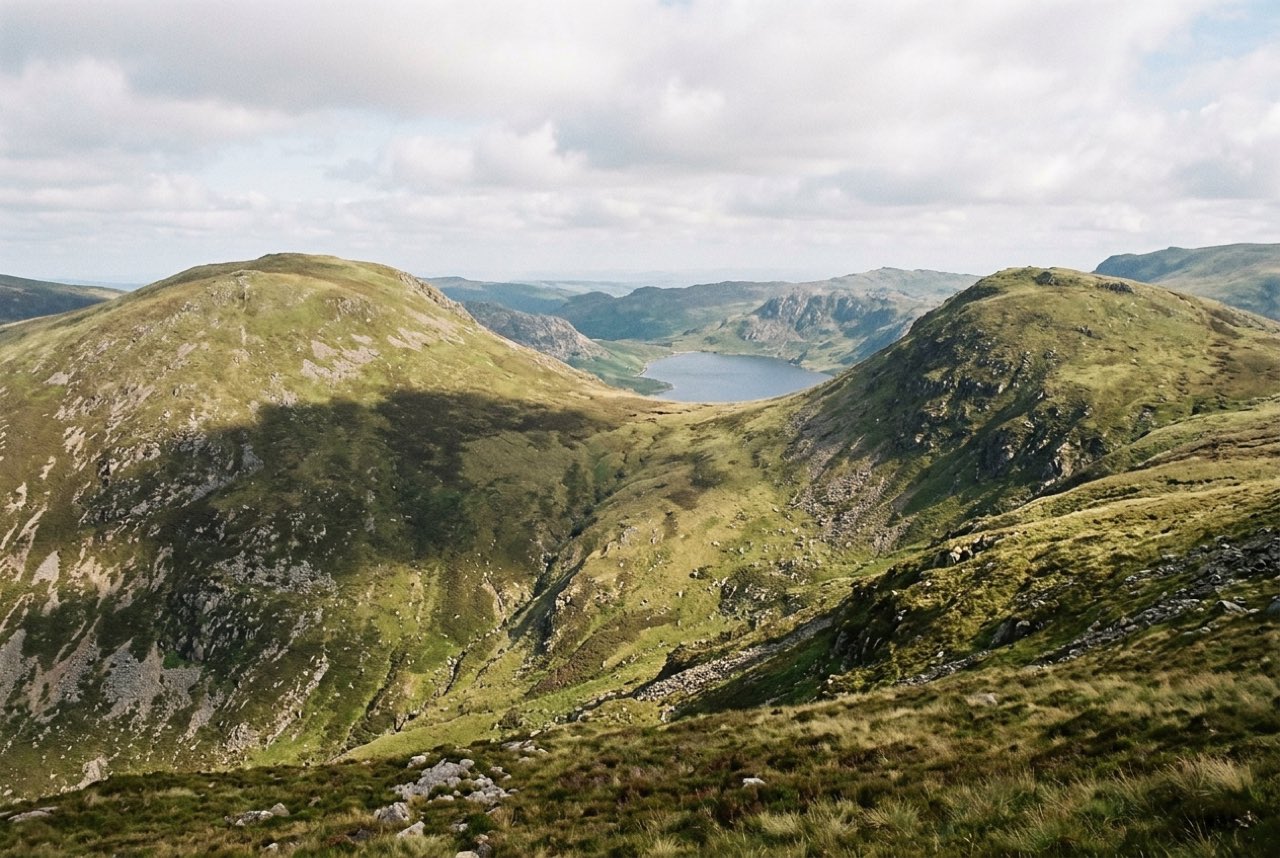
The first three nights are in a guesthouse of six rooms over a courtyard, run by the family that owns the vines behind it. Dinner is at seven, there is one thing on the table, and if you miss it you go out. The last three are in a four star hotel on the square in the other village, with a lift, breakfast until ten and a terrace that faces the water.
On the free evenings, the thing to look for is a bundle of pine branches hung over a doorway. It means that grower is pouring this week and the room behind the door is open. They take turns, a few weeks each per year, and the food is cold and comes off a counter: ham, cheese, pickled things, dark bread, and one hot dish if they are cooking. Kitchens stop at half past nine. The two villages together hold about three thousand people, and after that hour nothing at all is open.
Above the second village there is a ruin on the rock where an English king was held over the winter of 1192. The way up is roughly five hundred and twenty feet of climb in about a mile, loose stone underfoot and a step height that changes every few yards, twenty five minutes at a steady pace. Go at seven in the evening, when the sun is still on the far bank and the terraces below have already gone into shadow.
Four starts in the week of 12 July
The company that runs this week sets it going on four dates inside that one week, and what differs between them is not the route but which mornings you are in an orchard and which morning the fair is on. Rooms in these two villages are counted in single figures. The answer to a request is therefore yes on a stated date or no on it, and never a maybe held open while you think.
Send the dates you can travel and how many of you there are, either through the form at the bottom of this page or to bookings@thirdcoastdispatch.com, and this office prices that exact set of days with the operating company and comes back to you in writing. Two to four working days is normal, and most of that time is spent waiting on the growing family to say which mornings they can take visitors in a week when they are picking. If you would rather talk it through first, the number is +1 (816) 525-2846.
Third Coast Dispatch is the name used by Third Coast Dispatch Bookings LLC, a booking office at 600 SW Jefferson St, Suite 302, Lee's Summit, MO 64063, working the Kansas City metro and the rest of Missouri. It owns no rooms, no bicycles and no boats of its own, and it takes no money from a traveller at any point. The company that operates the week writes the contract, holds the licences the week depends on, and sends you its own bill directly. No airfare is sold here, so getting yourself to Austria and back is your own arrangement; the train from Vienna at the far end is included and is the simple part. If anything on this page is wrong or has gone out of date, write to corrections@thirdcoastdispatch.com and it will be put right.
Put a departure in front of the office
Open 24/7, this form will take a booking request whenever you write it. Nowhere on it is a card number requested and nothing is charged, because no money is ever owed to this office. Whatever reaches the form is opened in the order it landed, and an answer goes back inside one working day.
Nowhere on this page is a card number requested, and none is kept by this office anywhere. Writing costs you nothing and ties you to nothing. Asking is not the same as holding: your date belongs to whoever asks next until the operating company has confirmed it on paper and you have read what it requires of you.