clove mats on the road, a tide that walks out eight hundred meters
Reserve eleven nights on Zanzibar and Pemba
Eleven nights are held on two Tanzanian islands, seven on Unguja and four on Pemba, from $4,107 per person on two sharing. The four northern nights are the reason to do it this way: Pemba sits fifty kilometers across a channel with no bridge and no causeway, keeps most of the country's clove trees, and takes visitors in numbers you can count on the fingers of two hands on an ordinary weekday. Unguja carries the other half, which is Stone Town, the reef and a lagoon that drains and fills twice a day.
11 nights, from $4,107 per person.
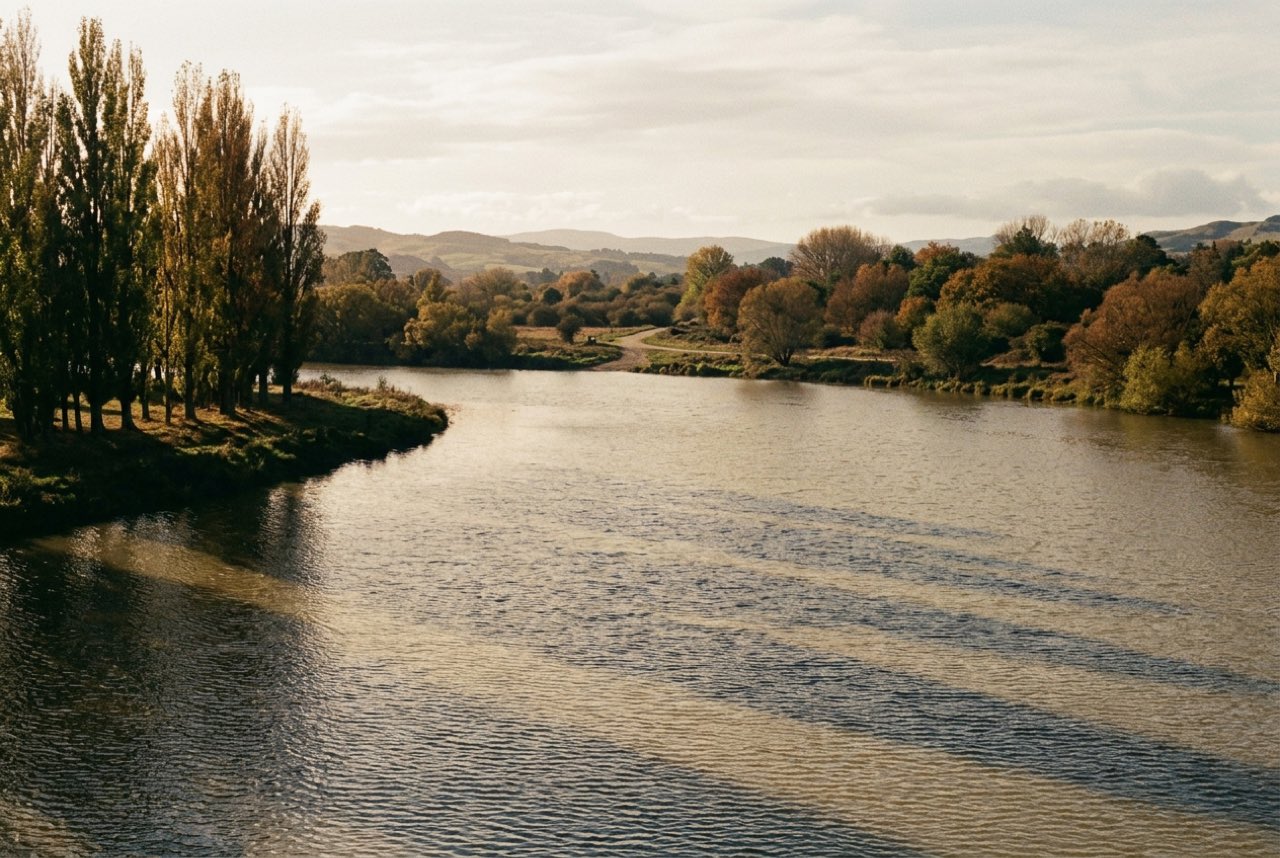
Eleven nights on Zanzibar and Pemba is the shortest trip that does both islands without reducing one of them to a stopover. Seven nights go to Unguja, the island almost everyone means when they say Zanzibar, and four go to Pemba, fifty kilometers north. The figure is $4,107 per person on two sharing, and it covers what happens after you land in Tanzania, not the getting there.
The split is deliberate and this office will not shorten the Pemba half to two nights. Unguja has Stone Town, the reef off Matemwe and Nungwi, the forest at Jozani and a road system that will carry you from one side of the island to the other inside ninety minutes. Pemba has none of that. It has clove trees, a forest reserve, a tenth century ruin on a headland you can only reach by boat, and a road surface that turns to red slop in an hour of hard rain. Travellers who do both tend to come home talking about the four quiet nights.
Nothing on this itinerary belongs to us. No room, no vehicle and no boat here is the property of Third Coast Dispatch Bookings LLC; the office takes your dates, places the reservation with the company that actually runs the trip in Tanzania, and that company invoices you directly under its own contract. No money changes hands at this office, in Lee's Summit or anywhere else.
When it goes
Starts most weeks of the year, with nothing sold between mid March and the end of May
most of the year: a long window, and the page says what changes across it
What is reserved
Eleven nights on Zanzibar and Pemba
11 nights, from $4,107 per person. Send a booking request
Eleven beds are held on a twin or double basis, seven rooms in two places on Unguja and four in one on Pemba, with every road transfer, the guided days, the reserve permits and the inter island passage written into one operator contract that names your dates.
Unguja and Pemba lie fifty kilometers apart and behave like separate countries. On the east side of Unguja the spring tide moves close to three and a half meters, so the lagoon at Paje and Jambiani empties most of a kilometer twice a day and the seaweed farmers walk out to their lines across the flats; for roughly four hours around low water you wade, you do not swim. Stone Town is three and four story coral rag houses with stairs built narrow and steep, and the lanes will not take a car, so bags travel the last two hundred meters on foot or on a handcart. Pemba is hills, red mud and something near three and a half million clove trees, and in August and September the drying mats are laid out along the tarmac so that the road smells of it for kilometers. Ngezi forest reserve in the north runs to 1,440 hectares and holds a fruit bat that lives nowhere else on earth. The channel between the two islands is over 800 meters deep, which is why the drop offs on the Pemba side give you twenty five to thirty meters of visibility in a good week and why the fishing boats out of the west side go after kingfish.
seven nights on Unguja, three in Stone Town and four on the east side; four nights on Pemba in a guesthouse of eight rooms; breakfast every morning; dinner on all four Pemba nights, cooked for seven o'clock and not after; the passage between the two islands, which the operating company holds under its own license and lists on its own invoice; every road transfer, including the airport run at both ends; a guided three hour walk through Stone Town on foot; entry, permit and guide at Jozani forest; a spice farm morning outside Kizimbani; the ranger walk in Ngezi and the Misali island boat with its marine conservation fee; drinking water in the vehicle on all transfer days; a written itinerary with times, names and the local operator's own number.
the flight to Tanzania, which stays your own arrangement, $1,150 to $1,900 round trip from the middle of the country; entry paperwork, health requirements and insurance, on none of which this office advises; lunch and dinner on the seven Unguja nights, $8 to $30 a head; drinks of any kind, $2 to $9; snorkeling or diving beyond the two outings listed, $45 to $120 per trip; kite lessons on the east side, $60 to $90 an hour; tips, usually $5 to $10 a day for a driver and the same again for a guide; laundry, $1 to $3 a piece; cash withdrawn in Chake Chake for the market and small kitchens, with a bank fee of $3 to $7 a time; single occupancy, $470 to $780 for the eleven nights; anything not printed on the itinerary you sign.
In January and February the middle of the day sits in the low nineties with humidity to match, and on Pemba there is no relief indoors when the power drops for two or three hours in the afternoon. If you want to swim whenever you feel like it, the east side of Unguja will irritate you, because the tide decides and it is not interested in your morning. The last twelve kilometers to the north of Pemba are unsealed, take forty minutes when dry and longer after rain, and the crossing between the islands can be a hard two and a half hours from June to September. Pemba has no nightlife of any description, kitchens stop at nine, and on some nights the loudest thing outside your window is a generator.
Stone Town first, then the tide on the east side
The first three nights sit inside Stone Town, which is the only way to see it properly, because the town does two completely different things at six in the morning and at seven at night and you need to be there for both. The guided walk runs about three hours and goes on foot, since the lanes are between one and three meters wide and no car gets in. You will be shown carved doors, the fish and spice halls at Darajani, and the stone benches built into the house fronts where men still sit in the late afternoon. After that you are loose in a grid of about eighty streets, none of which run straight, and getting lost is unavoidable and takes about twenty minutes to undo.
Two practical things about the town. During Ramadan most kitchens close in daylight and the streets fill up hard after sunset instead; the month currently falls in February and early March and moves eleven days earlier each year. And away from the sand, shoulders and knees stay covered, which is a matter of ordinary manners here rather than a rule anybody will explain to you.
The transfer east is about 50 kilometers and 75 minutes. What nobody tells you before you arrive is that the east side is not a swimming beach in the way the pictures suggest. The spring tide range runs to three and a half meters, so twice a day the lagoon at Paje and Jambiani drains right out to the reef and leaves a kilometer of wet sand, seagrass and the seaweed lines the village women farm on the flats. You can walk out on it in reef shoes for an hour, which is more interesting than swimming. Around high water the same lagoon is flat, waist deep and the color of a swimming pool. Between June and September and again from December to February the southeast and northeast winds hold steady enough that the kite schools work every afternoon, and the whole bay fills with them by three o'clock.
Jozani, on the road back west, takes about fifty minutes from the east side. The red colobus there sit two meters above the path and ignore people entirely, and the mangrove boardwalk beyond the forest is worth the extra twenty minutes most groups skip.
The year on both islands, month by month
This trip runs almost the whole calendar, so the honest answer to "when should we go" depends on what you cannot tolerate. Heat and stillness peak in January and February. Wind and cooler nights come with the southeast monsoon from June. The long rains close a good part of both islands.
southeast wind most days, daytime in the mid eighties, sea near 79 F, driest stretch of the year, choppiest crossing
the wind falls away, humidity climbs, sea back to 82 F, clove mats still out on Pemba
short rains, usually one hard hour in the afternoon rather than a lost day
still air, low nineties by noon, sea at 84 F, the busiest six weeks on Unguja
daytime kitchens shut in Stone Town, the streets fill after dark, dates move eleven days earlier each year
long rains, red mud on the Pemba roads, many small guesthouses shut for six weeks and we sell nothing
dark by seven, sunrise between 6:20 and 6:45, and day length never varies by more than twenty minutes
The crossing between the islands is the part the calendar moves most. In the still months it is a flat two and a half hours. In July and August the same water is a working sea and the vessel takes it slowly. The passage sits on the operating company's own license, on its own schedule, which is a fixed set of weekdays rather than a daily service, and your eleven nights are built around those weekdays rather than the other way round. This office does not sell airfare of any kind, including anything hopping between the two islands, so the itinerary goes by water and says so plainly.
Pemba: cloves drying on the road, and the last twelve kilometers
You land on Pemba at a small port and the island starts working on you inside ten minutes, because the hills begin immediately and the tarmac is lined with clove and mango. Chake Chake in the middle is where the banks are, and it is the last place to draw shillings before the north. From there to the Kigomasha peninsula is about 70 kilometers and two and a half hours, of which the final twelve are unsealed.
Ngezi forest reserve sits at the top of that road. It is 1,440 hectares of closed canopy that goes dark at the edges even at midday, and the ranger walk takes ninety minutes at a slow pace. The Pemba flying fox, which is a fruit bat with a meter of wingspan, roosts in daylight and you will hear the colony before you see it. Ten minutes beyond the reserve, Vumawimbi is three kilometers of sand with nothing built on it at all, and on a Tuesday you may share it with two fishermen.
The other two outings go by boat, because half of Pemba's good things are not connected to the road. Misali is a kilometer long, sits inside a marine conservation area, and the reef starts four meters from where you step off. Ras Mkumbuu, on a long finger of land west of Chake Chake, holds the remains of a mosque and a set of tombs from around the tenth century, standing on the grass with nobody selling anything nearby.
Two warnings that are not warnings so much as facts. Power on Pemba arrives by cable from the mainland and goes off often enough that every guesthouse has a generator and set hours for it. And dinner is at seven because the kitchen has bought and cooked for eight people; arrive at half past eight and there is bread.
Eleven nights held, and the invoice that comes from the operator
Tell this office the dates you want and what you need in a room, and a priced answer against those exact days comes back in two to four working days. That is not a stalling figure. It is how long it takes the operator to confirm eleven specific beds across three properties, two of them small, and to line the crossing up with the weekday it actually sails.
What you get back is a written itinerary with times and names on it, not a brochure. Read the room descriptions, because eight rooms means eight rooms and the one at the end is smaller. Once you accept it, the company running the trip issues its own contract and its own invoice and takes payment from you directly on its own terms. The flight out remains yours to arrange and this office does not sell airfare. This office also does not advise on entry documents, health requirements or insurance, and will not answer questions on any of the three.
Requests go by telephone on +1 (816) 525-2846 or in writing to bookings@thirdcoastdispatch.com, and anything wrong on a document you have already been sent goes to corrections@thirdcoastdispatch.com so it is fixed against the file rather than in somebody's inbox. The office is at 600 SW Jefferson St, Suite 302, Lee's Summit, MO 64063, and it works with travellers in Kansas City and across Missouri.
Ask the office to hold a departure
Open 24/7, this form will take a booking request whenever you write it. Nowhere on it is a card number requested and nothing is charged, because no money is ever owed to this office. Whatever reaches the form is opened in the order it landed, and an answer goes back inside one working day.
Nowhere on this page is a card number requested, and none is kept by this office anywhere. Writing costs you nothing and ties you to nothing. Asking is not the same as holding: your date belongs to whoever asks next until the operating company has confirmed it on paper and you have read what it requires of you.